
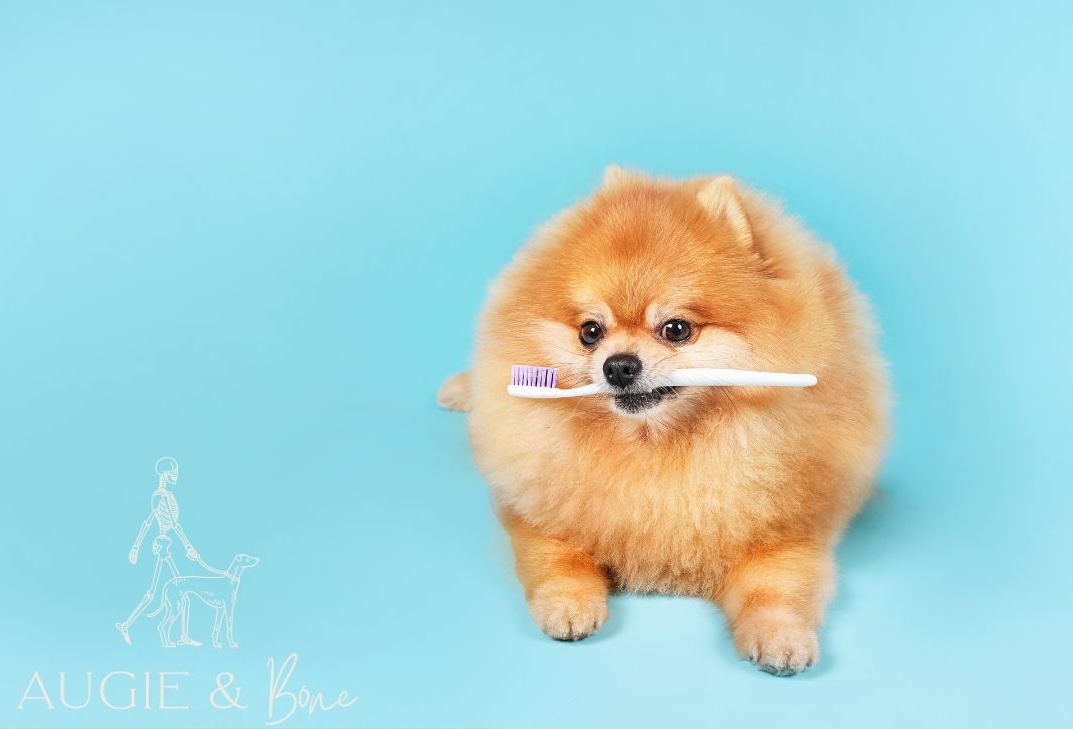
As pet owners, we often focus on ensuring our furry friends have a balanced diet, regular exercise, and plenty of love and attention. However, there’s one crucial aspect of their health that is sometimes overlooked: dental care. Just like humans, dogs require regular dental hygiene to maintain overall health and well-being. Let’s delve into why brushing your dog’s teeth is so important and how you can make it a part of their routine care.
Why Dental Care Matters
Preventing Dental Disease: Dental disease is one of the most common health issues in dogs, affecting around 80% of them by the age of three. Poor dental hygiene can lead to plaque and tartar buildup, gingivitis, periodontal disease, and even tooth loss. These conditions not only cause pain and discomfort but can also lead to more serious health problems if bacteria from the mouth enter the bloodstream and affect organs like the heart, liver, and kidneys.
Maintaining Fresh Breath: Bad breath (halitosis) in dogs is often a sign of dental disease. Regular brushing helps to remove food particles and bacteria that cause odor, keeping your dog’s breath fresher.
Saving on Vet Bills: Routine dental care, including brushing, can save you money in the long run by preventing costly dental procedures and treatments for advanced dental disease.
How to Start Brushing Your Dog’s Teeth
Choose the Right Tools: Use a dog-specific toothbrush or a finger brush along with toothpaste formulated for dogs. Human toothpaste can be harmful to dogs, so always opt for products designed for pets.
Introduce Gradually: Start by letting your dog sniff and taste the toothpaste. Gradually introduce the toothbrush by allowing your dog to lick it and get used to the sensation before gently brushing their teeth.
Make it Positive: Associate teeth brushing with positive experiences, such as treats and praise. Keep sessions short and calm, gradually increasing the duration as your dog becomes more comfortable.
4. Establish a Routine: Aim to brush your dog’s teeth 2-3 times per week, if not daily. Consistency is key to maintaining good oral hygiene.
Additional Dental Care Tips
Dental Chews and Toys: Offer dental chews and toys that help reduce plaque and tartar buildup while providing mental stimulation.
Regular Vet Check-ups: Schedule regular dental check-ups with your veterinarian. They can assess your dog’s dental health and recommend professional cleanings if necessary.
Watch for Signs of Dental Problems: Keep an eye out for signs such as bad breath, swollen gums, difficulty chewing, and tooth discoloration. Early detection can prevent dental issues from worsening.
Conclusion
Brushing your dog’s teeth is not just about maintaining a sparkling smile—it’s about promoting their overall health and well-being. By incorporating dental care into your pet’s routine and working with your veterinarian, you can help ensure that your furry friend enjoys a healthier and happier life. Remember, a little effort in dental care today can lead to significant benefits for your dog’s future. So, pick up that toothbrush and start brushing—it’s one of the best gifts you can give to your canine companion!
Investing in your dog’s dental health pays off in many ways, from improved quality of life to reduced veterinary bills. Start today, and together, we can keep those tails wagging and those teeth shining bright!
One response to “The Importance of Brushing Your Dog’s Teeth: A Guide to Canine Dental Health”
Great advice!