
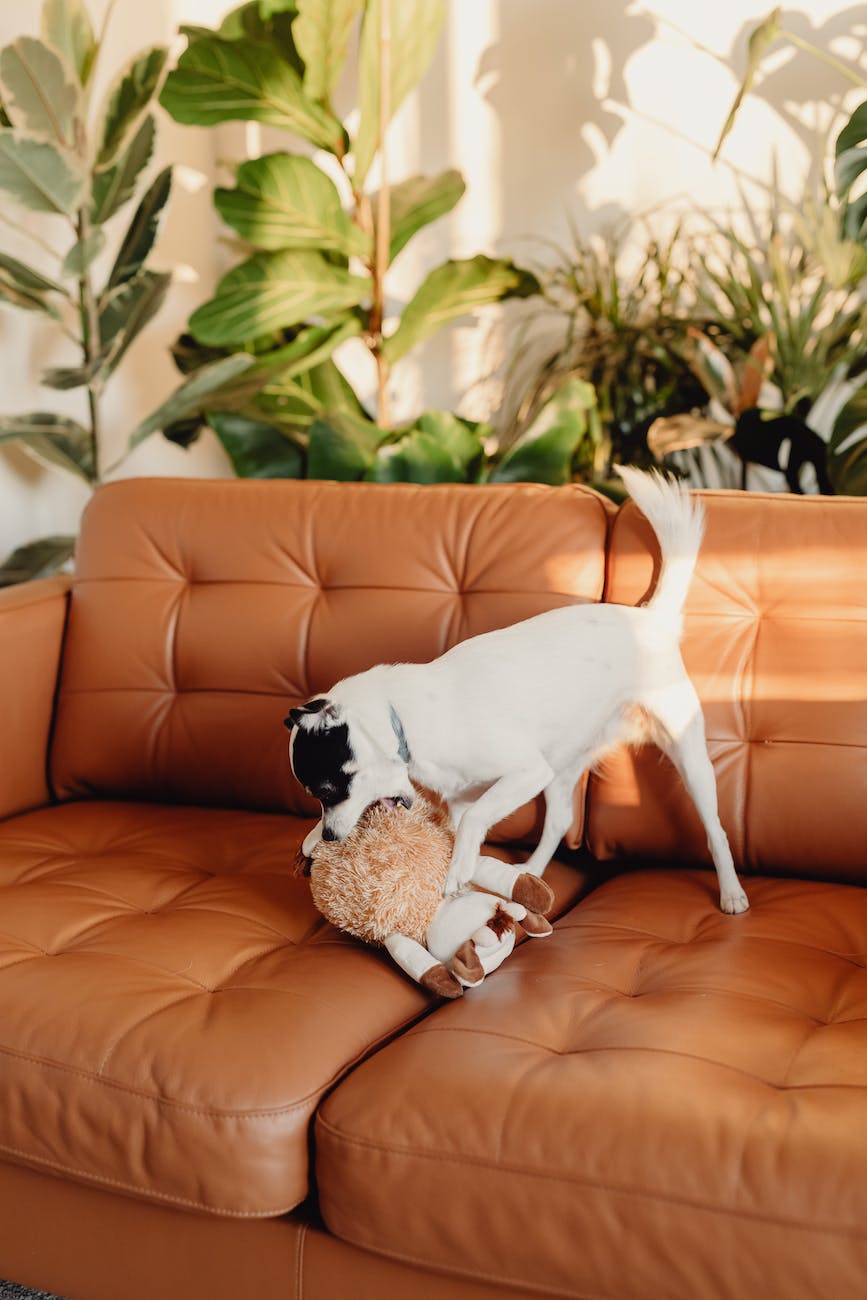
If you’re already a proud parent of both plants and pets, we don’t need to tell you how different they can be. But we’re going to! Pets are your energetic extroverts, always eager to play and brighten up a room. While, plants are your little introverts, content to simply stay at home and soak up the sun.
But we at Augie and Bone think it’s time your green babies came out of their shells and had their turn in the spotlight, with our some of our favorite vibrant plants. These plants are not only colorful but also non-toxic to both dogs and cats, making them the perfect addition to your home.
So why settle for plain and boring plants when you can have ones that truly stand out? Get inspired for your next plant shopping spree with Augie & Bone’s favorite colorful and pet-friendly options. Your plants will thank you for it!

Phalaenopsis Orchid (Moth Orchid)
Don’t be intimidated by their appearance Moth Orchids are one of the easiest varieties of orchids to care for and they come in a variety of colors. In addition to this, the Moth Orchids flowers are long-lasting. Believe it or not the Orchid was also one of rapper DMX’s favorite plants to grow!
Lighting: Bright Indirect Light
Watering: Approximately every 10 days. Allow potting material to dry out completely between waterings.
Tip: If your orchid doesn’t seem to be flowering allow the temperature to drop into the 60s several nights in a row.
Calathea Rattlesnake
Calathea Rattlesnake is a species of plant in the Marantaceae family, commonly known as a prayer plant. It is known for its striking appearance and air-purifying qualities. The Rattlesnake plant is a flowering plant, however, it is rare to see it’s delicate yellow flowers when growing as an indoor plant.
Lighting: Medium to Low Light
Watering: Approximately every 4 days. Topsoil should feel dry to the touch between waterings.
Tip: Since this plant likes consistent low levels of moisture cactus soil is a great potting material.


Bromeliad Antonio Pink (Pink Quill Plants)
While the entire Bromeliad family of plants are non-toxic to pets, we find the Bromeliad Antonio Pink to be particularly striking. This plant can be grown as an indoor plant and moved outdoors as long as temperatures stay above freezing.
Lighting: Bright Indirect Light
Watering: Approximately every 10 days. Topsoil should feel dry to the touch between waterings. Mist plant every 2-3 days.
Tip: Water this plant with filtered tap water or rainwater as water containing fluoride or chlorine can cause yellowing on the leaves.
African Violet
The African Violet is a beloved plant, with a reputation for being the staple of grandmothers’ homes. But don’t be fooled, this diva plant is ready for a modern comeback! Originally from eastern Africa, the African Violet comes in a wide range of shades, from pink to purple, blue, and even white.
Lighting: 10+ Hours of Bright Indirect Light
Watering: Approximately every 7 days. Water from below or push the spout of your watering can directly into the soil.
Tip: Fertilizing every other week in the spring and summer months should keep this plant flowering year-round.


Echeveria multicaulis (Copper Rose)
Echeveria multicaulis or Copper Rose is a succulent plant in the Crassulaceae family, native to Mexico. This flowering succulent’s leaves turn a beautiful shade of red when placed in direct light.
Lighting: Full Sun /Direct Light
Watering: Approximately every 14 days. Allow soil to dry completely between waterings.
Tip: Turn this sun-loving plant weekly to ensure it is getting enough sun from all angles.
If we missed your favorite pet-friendly plant let us know in the comment’s below!
Keep in mind that eating any house plant may cause gastrointestinal upset for dogs or cats, If you have a plant-nibbling pet the safest thing you can do is keep plants out of their reach.